We are living in an era filled with overabundance of information. Headlines, viral videos, and breaking alerts flow through every device on a cycle that never sleeps. While there’s intrigue and excitement around the emergence of new media platforms and accelerating AI adoption, there also remains a lack of understanding and trust, which keeps local outlets as a primary and reliable source in a rapidly changing environment.
Throughout the year, we will share insights into these trends and how clients can break through the noise by responsibly taking advantage of these traditional and emerging platforms with clarity, accuracy, and authenticity.
So, what’s the impact of local news in 2026?
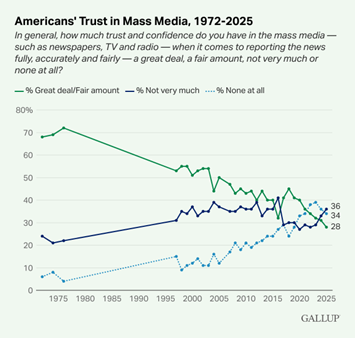
The Impact of Confidence in Media: Trust in media remains strained. This past year, Gallup reported confidence in mass media at 28%, down from 31% in 2024. Pew Research Center similarly found trust gaps by source: 70% of U.S. adults said they have at least some trust in information from local news, compared with 56% for national news. For communicators and those seeking to reach local audiences, this data reinforces the value of local relevance: Localized proof points, community-level spokespeople, and transparent sourcing tend to make a bigger impact, especially when messages are tailored to the specific experiences of a market or location.
The Impact of Emerging Media: This year, local news is being increasingly shaped by how audiences encounter news. Pew found that Americans’ preferred ways to get local news is now split across TV (32%), news websites (26%), and social media (23%). At the same time, the growth ofnewsletter-led publishing, including independent journalist platforms likeSubstack, has helped make email a meaningful “front door” for news, especially for niche beats and highly engaged local audiences. News podcasts also remainan important format for reaching specific segments. The Reuters Institute reports that 15% of people in the U.S. accessed one or more news podcasts in the lastweek. For brands and organizations, this means local earned media works best when it’s packaged for multiple entry points while staying consistent in facts, context, and community relevance.
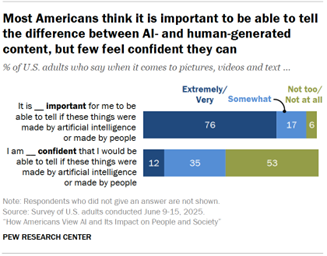
The Impact of AI: AI is changing both newsroom workflows and audience expectations, making disclosure and human oversight central to maintaining local trust. Pew reports 76% of Americans say it’s important to distinguish AI-generated from human-created content, yet 53% are not confident they can do it. Recent research by Local Media Association also found that 98.8% of respondents want a human involved in a newsroom’s use of AI before content is published, and 97.8% want to know if AI was used. Additionally, another survey conducted by OnMessage reported that 76% are concerned about AI stealing or reproducing journalism and local news stories and only 26% trust information produced by AI, while 68% say it is not trustworthy. Understanding this sentiment points to local media more increasingly needing to rely on clear standards, transparency and human oversight to protect the credibility local communities depend on and expect.
Besides understanding the current media landscape, the valueof building and maintaining reputation continues to be a pressing need for brands and organizations across the country, as it has been highlighted by Burson’s research, The Global Reputation Economy: A New Asset Class for New Era. According to Burson’sresearch using its Reputation Capital modeling and methodology, reputation now delivers an average of 4.78% in unexpected annual shareholder returns, contributing to a global Reputation Economy exceeding $7 trillion.
This necessitates navigating a new playbook for PRprofessionals and our clients that focuses on orchestrating across the entiremedia ecosystem – where legacy media is still critical but platforms andindependent voices drive engagement. Moreover, it demands for strategies that focus on designing human connections at scale, using AIas a tool to augment uniquely human capabilities and foster scenario fluencyfor agile communication in a rapidly evolving world.
Have a local issue you need to address? Looking to engage the right audience in key communities?Want to reach consumers and policymakers at a hyper-local level? Direct Impact can help.

.png)

